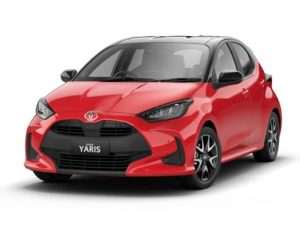
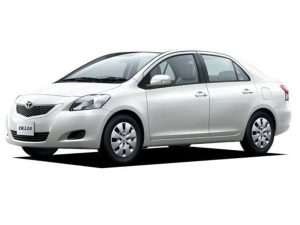
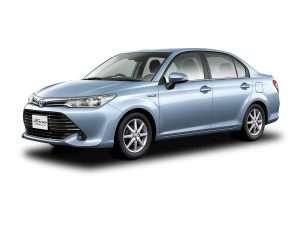
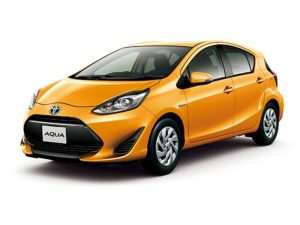
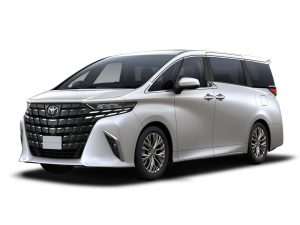
Yaris Hybrid is not trying to be a miniature sports car. It is trying to make urban driving effortless, and in that respect it is rather clever.
The 1.5L M15A-FXE engine produces 91 PS and 120 Nm, while the hybrid system adds electric power to bring total system output to 116 PS in the current 2026 Japanese specification. Toyota's revised hybrid system uses a stronger electric motor and delivers up to 185 Nm of electric-motor torque in the applicable configuration.
The numbers tell only half the story. In traffic, the electric motor provides immediate response when pulling away from a junction. There is no conventional gear-changing drama because the e-CVT manages the engine and motor together.
This is precisely what Dhaka traffic demands. Crawl forward, stop, accelerate, brake, crawl again. Repeat until you question your life choices. The Yaris Hybrid simply gets on with it.
The steering is light and the compact dimensions make U-turns and parking extremely easy. On open highways, it remains stable and composed, although overtaking requires realistic expectations. It is economical transportation, not a performance machine.
The official Japanese WLTC economy reaches up to 36.0 km/L on certain configurations, with city-cycle figures above 37 km/L on some versions. Those figures are laboratory results; Bangladesh traffic, air-conditioning use, road conditions and driving style will produce substantially lower real-world figures.
For Dhaka, the Hybrid is particularly well matched to the environment. It is quiet, smooth, economical and easy to manoeuvre.