
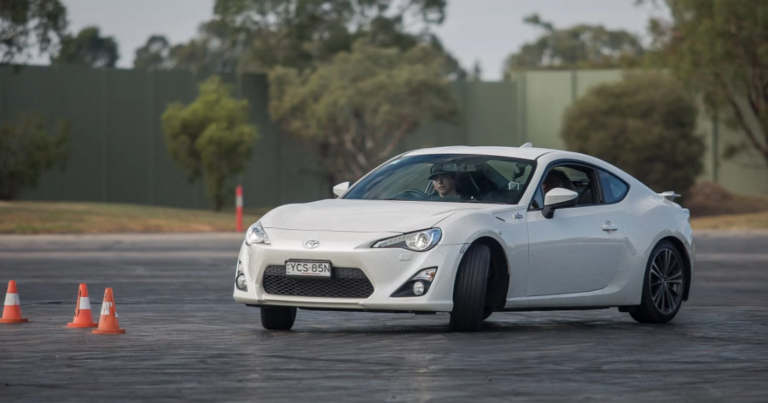
Latest recall follows one from Subaru this morning, and relates to the valve springs in the engine
Toyota Australia has issued a recall notice for the 2012-13 86, over concerns about the valve springs in their engines. The campaign is the same...
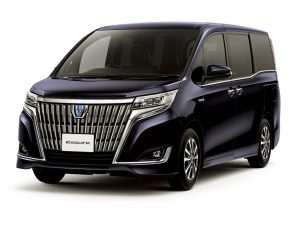
Latest news, updates, reviews and developments related to Toyota Esquire.
Toyota Australia has issued a recall notice for the 2012-13 86, over concerns about the valve springs in their engines. The campaign is the same...
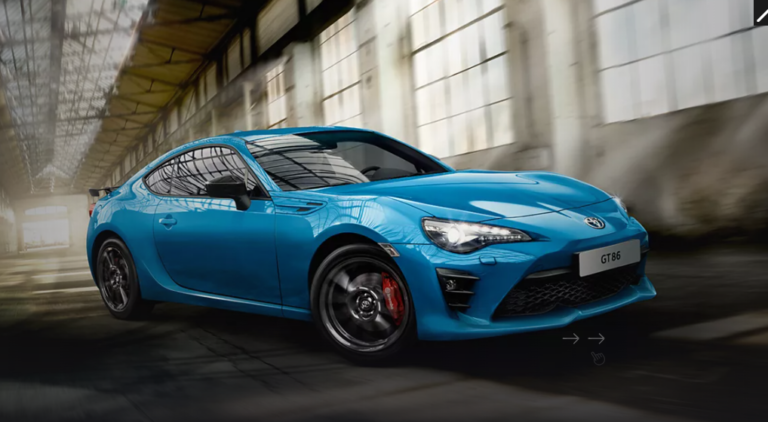
Recent Performance and Safety Updates a new model will be launched this model will be called gr 86 this will get some...

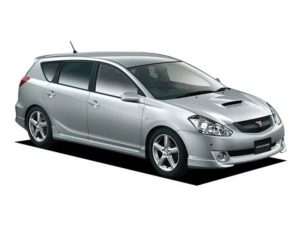
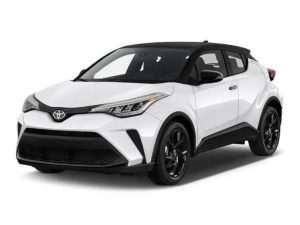
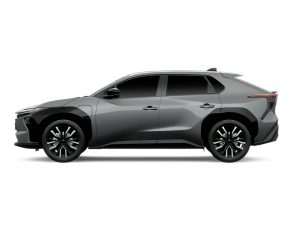
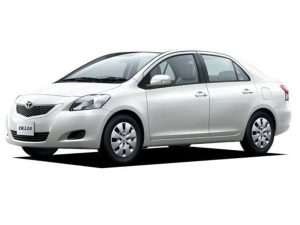
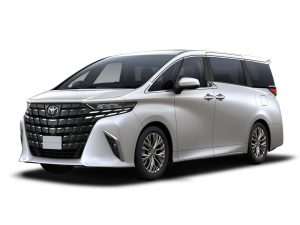
Toyota Esquire price in Bangladesh is approximately Tk 22 lakh to Tk 47 lakh for used models.
Yes. The Esquire is particularly attractive for Bangladeshi families because it combines a seven-seat cabin, sliding doors, excellent interior space and Toyota reliability in a relatively compact body.
The 1.8L hybrid is the more economical choice for city use, while the 2.0L petrol is better for buyers who want stronger conventional engine performance and simpler petrol-only mechanical architecture.
For family transportation, airport trips and long journeys, the Esquire remains a very practical Japanese MPV.
The most popular 1.8L hybrid uses the 2ZR-FXE 1,797cc four-cylinder Atkinson-cycle engine, producing 99 PS and 142 Nm from the petrol engine, with the electric motor bringing total system output to approximately 136 hp. Toyota's official specification confirms the 99 PS/142 Nm engine figures.
The 2.0L petrol version produces 152 PS and 193 Nm.
The hybrid is designed for smoothness and economy rather than rapid acceleration. A realistic 0–100 km/h figure is around 11–12 seconds.
For the 1.8L hybrid, a realistic Bangladesh expectation is around 11–14 km/L in city traffic, 17–20 km/L on highways and 15–18 km/L combined.
Dhaka traffic, frequent idling, passengers, air-conditioning and tyre condition can push city economy toward the lower end.
Toyota's 2020 hybrid Gi had a Japanese WLTC rating of 19.8 km/L, while its city/suburban/highway test figures were 19.2, 20.5 and 19.7 km/L respectively.
Those Japanese figures should not be treated as guaranteed Bangladesh mileage.
The major grades include Xi, Gi and Gi Premium, with hybrid versions offered as Hybrid Xi and Hybrid Gi, while later years introduced additional Premium and Black-Tailored packages.
For Bangladesh, I would choose Gi Hybrid for most family buyers. It gives you the desirable 1.8L hybrid powertrain while offering considerably better comfort and equipment than the basic Xi.
Gi Premium is better for buyers wanting leather, additional convenience equipment and a more luxurious cabin.
The 2.0L Gi is better for buyers who prioritise conventional petrol performance.
It uses a CVT transmission and the engine size is 1800 cc.
This is arguably where the Esquire makes the most sense.
The cabin is designed around family practicality, with three rows, sliding rear doors, generous headroom, flexible seating and easy access to the third row.
The compact 1,695mm width is also useful in Bangladesh because the vehicle remains relatively manageable on narrow urban roads.
For a family of five to seven people, it is considerably more practical than many ordinary sedans.
The only limitation is luggage space when all three rows are being used. With the third row occupied, available luggage room is naturally reduced.
Yes, the Toyota Esquire 1.8 Hybrid is suitable for normal Bangladesh roads, with its MPV body, FWD drivetrain and hybrid power suited to everyday road use.
Yes, especially the hybrid.
The 1.8L hybrid powertrain is extremely smooth at low speeds, and the e-CVT works well in stop-and-go traffic. The sliding doors are particularly useful when passengers are getting out beside tightly parked cars.
The relatively narrow 1,695mm body width is also helpful in Dhaka.
The 5.5m turning radius is reasonable for an MPV of this size. Toyota's official specifications confirm the 5.5m minimum turning radius.
The Esquire's main weakness in city driving is that its tall body and long wheelbase still require care in cramped parking spaces.
The Esquire was available with both petrol-only and petrol-electric hybrid powertrains.
The hybrid uses a 1.8L 2ZR-FXE Atkinson-cycle petrol engine, while the conventional version uses a 2.0L 3ZR-FAE petrol engine. Toyota specifies regular unleaded petrol for these Japanese-market engines.
In Bangladesh, owners commonly refer to premium petrol as “octane.”
For the 1.8L hybrid, buyers primarily choosing fuel economy should focus on clean, reliable fuel rather than unnecessarily chasing higher octane. For the 2.0L petrol version, follow the fuel specification for the exact imported vehicle.
Looking for Toyota Esquire ? We will notify you when verified dealers become available.
Estimate your monthly payment for Toyota Esquire