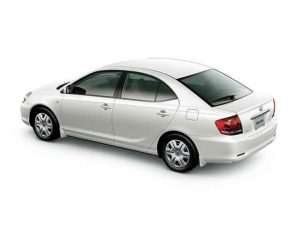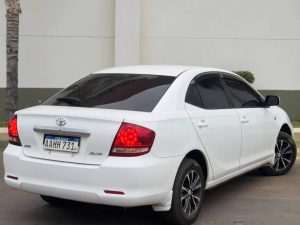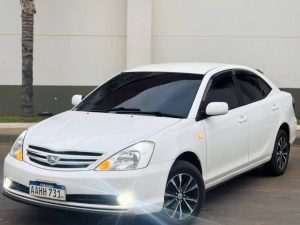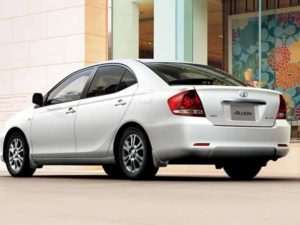
Decent Fundamentals, But Don't Expect Modern Protection
Safety is where the first-generation Allion shows its age most clearly.
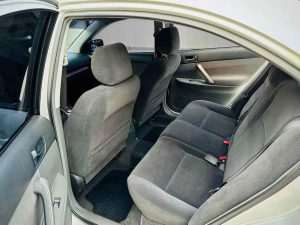
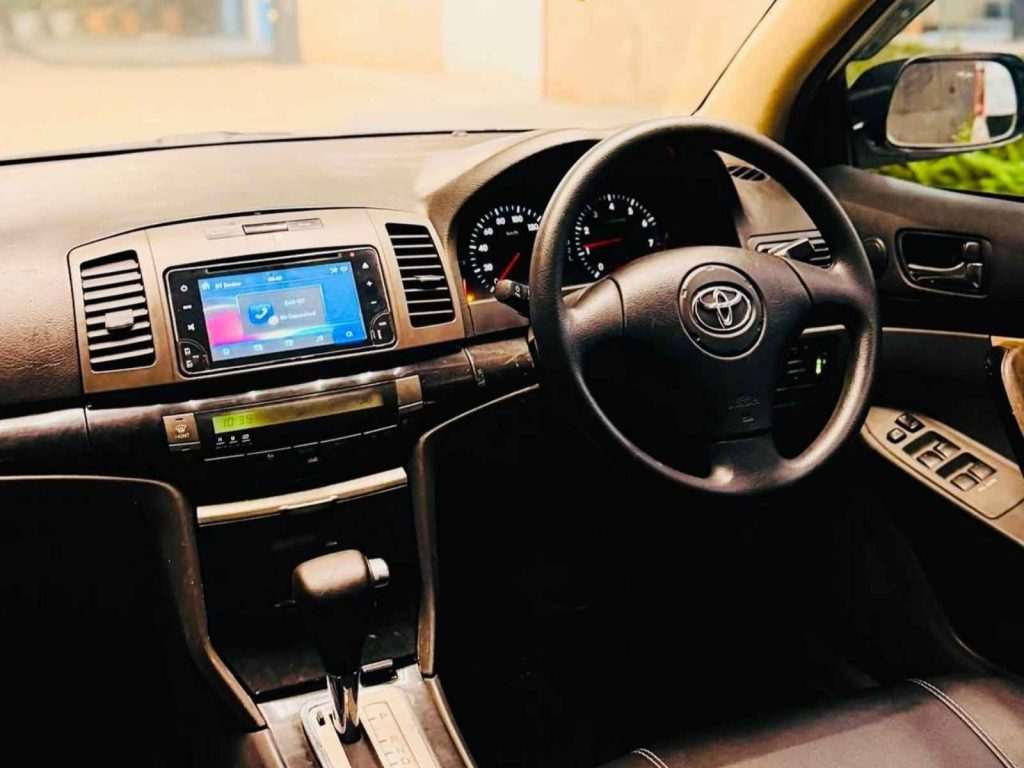
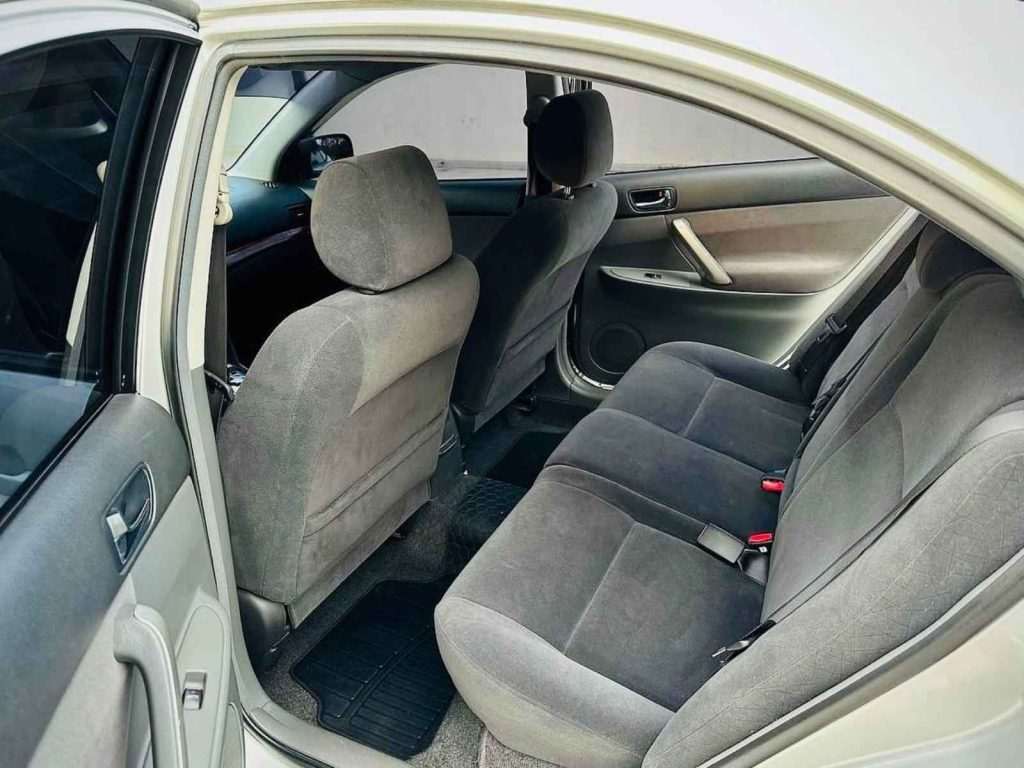
The A15 did have important safety equipment. Toyota lists driver and passenger airbags, ABS, brake assist, EBD, three-point rear belts, pretensioners and a reinforced safety body structure.

That is respectable for an early-2000s Japanese sedan.
But compare it with a modern car and the difference is enormous.
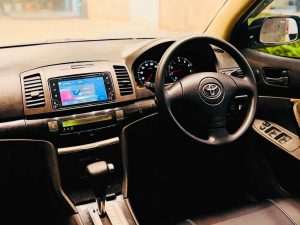
There is no factory autonomous emergency braking, adaptive cruise control, lane keeping, blind-spot monitoring or modern collision-warning ecosystem.

The Allion essentially says:
"Here's ABS and airbags. Now please pay attention."
In Bangladesh, that's actually useful advice.
Road conditions, motorcycles, pedestrians, rickshaws, CNGs and unpredictable lane changes mean defensive driving remains crucial.
The biggest safety concern when purchasing one today isn't necessarily the equipment Toyota installed in 2002.
It's what happened to the car afterwards.
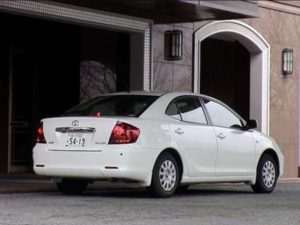
A 2001–2006 Allion may have spent years on Bangladeshi roads. It may have been crashed, repaired, converted to CNG, fitted with cheap tyres or modified electrically.
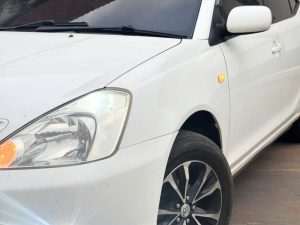
Therefore, inspect the airbags, chassis, brakes, suspension, tyres and structural repairs carefully.
The safety verdict is straightforward:
Good fundamental safety for its era, but nowhere near a modern car's active-safety capability.