Compact Japanese Design That Ages Well
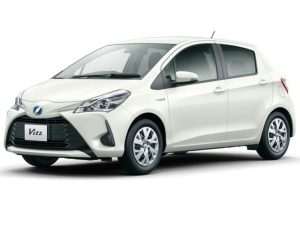
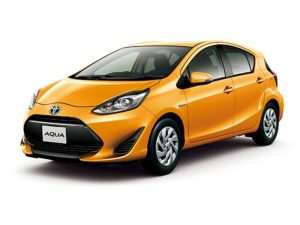
The third-generation Toyota Vitz arrived in 2010 with a very different attitude from its predecessor. Toyota wanted it to remain small and inexpensive, but it also wanted the little hatchback to look more sophisticated. The result was a compact car with sharper headlights, a more expressive front end and a surprisingly spacious-looking cabin.
Early third-generation models measured approximately 3,885mm long, 1,695mm wide and 1,500mm high, while later facelifted versions stretched to approximately 3,945mm. The wheelbase remained 2,510mm. Toyota deliberately kept the exterior compact while increasing usable interior space.
That compactness is a major advantage in Bangladesh. In Dhaka, where a road can apparently become a parking lot without warning, the Vitz's dimensions make it easy to manoeuvre. Narrow lanes, crowded markets, apartment parking spaces and tight U-turns are much less intimidating.
The design also changed throughout the generation. Early versions had a softer appearance, while later facelifts became sharper and more aggressive. Jewela versions received additional chrome detailing, while RS, G's and GR Sport models received much sportier bumpers, grilles, wheels and spoilers.
The biggest exterior weakness is ground clearance. Depending on version, it sits around 135–145mm, which means Bangladesh's giant speed breakers deserve respect.
Still, the Vitz succeeds because it does not try too hard. It is small, clean and purposeful. In Dhaka traffic, that is often more valuable than looking expensive.