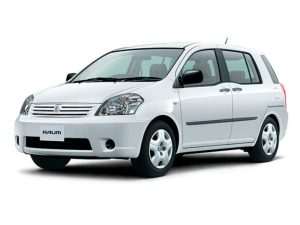
The Raum was unusually clever for its time. Toyota's engineers concentrated on features that solved everyday problems rather than filling the dashboard with electronic gimmicks.
The most obvious example is the power-operated sliding-door concept. The huge passenger-side opening makes getting into the rear seats easy, while the rear sliding door allows passengers to enter even when another vehicle is parked very close.
The G Package adds another layer of convenience with smart door-locking equipment, additional armrests and infrared-sensor automatic air conditioning. The S Package takes the opposite approach, adding sportier exterior styling and alloy wheels.
The later model received standard front fog lamps across the lineup, and Toyota upgraded its optional navigation system from DVD to HDD in the 2006 update.
But technology has moved on. There is no Apple CarPlay, Android Auto, modern touchscreen interface or factory USB ecosystem. Bluetooth is also not something buyers should assume is present simply because a used Raum has an aftermarket screen installed.
This is important in Bangladesh because many Raums have been modified over the years. A car may now have a touchscreen, reverse camera, aftermarket speakers or LED lights that were never factory equipment.
The Raum's genuinely useful factory features remain its sliding doors, flexible rear seats, large cabin opening, power windows, automatic air conditioning on better grades and excellent everyday accessibility.
It is old-school clever rather than digitally clever.