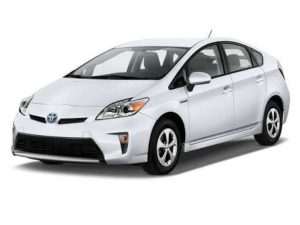
The third-generation Prius was sold in numerous grades and equipment combinations, with the exact naming structure changing between markets. Japanese-market versions included grades such as L, S and G, while export markets used names such as Prius II, III, IV and V or market-specific equivalents.
The S grade became a particularly familiar configuration, while G versions generally brought additional comfort and technology. Touring versions could receive larger wheels and other equipment. Some markets also offered advanced technology packages with features such as pre-collision systems, radar cruise control and lane-keeping assistance.
There was also a Prius Plug-in Hybrid, introduced during this generation. It uses the same basic Prius concept but adds a larger lithium-ion battery that can be externally charged. It should not be confused with the standard Prius when entering specifications into a database.
For CarHub, the individual vehicle's actual equipment should therefore take priority over a generic grade description. A Japanese S package, a North American Prius Two and a higher-grade G car can have very different equipment despite sharing the same basic 1.8-litre hybrid platform.
The third-generation Prius remains one of Toyota's most recognisable hybrid models. Its efficiency, smooth city behaviour, practical liftback body and mature hybrid engineering remain compelling. But by 2026, age is the central consideration. Battery health, brake-system condition, accident history and maintenance records matter considerably more than simply finding the highest-spec badge.