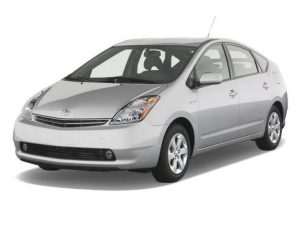
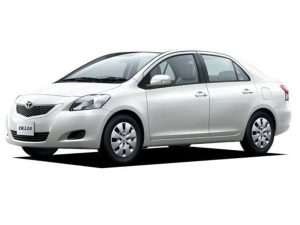
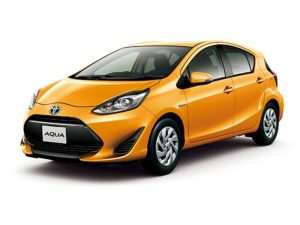
The second-generation Toyota Prius was one of those cars that looked strange when it arrived and then gradually made almost every other family hatchback look conventional. Its tall, tapered silhouette was engineered around aerodynamics rather than traditional sedan proportions. Toyota stretched the wheelbase to 2,700 mm and created a distinctive five-door liftback with a low drag coefficient of approximately 0.26.
From the front, the Prius is clean and narrow, while the steeply raked windscreen flows into a high roof and sharply tapered rear section. The split rear glass is particularly distinctive and was designed to improve rear visibility while maintaining aerodynamic efficiency. The result is a car that looks considerably more futuristic than most vehicles from the same period.
In Bangladesh, that shape has another advantage: it is a hatchback without looking like a tiny economy car. The rear hatch provides useful loading flexibility, while the relatively compact footprint remains manageable in crowded urban streets.
Higher equipment versions can add alloy wheels, HID headlights, fog lamps and other exterior upgrades. Some imported cars may also have aftermarket lighting, wheels or body modifications, so original equipment should not be assumed from appearance alone.
The biggest practical weakness is the approximately 140 mm ground clearance. Large speed breakers, damaged roads and steep parking ramps require care, particularly when the car is heavily loaded.