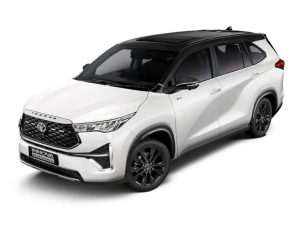
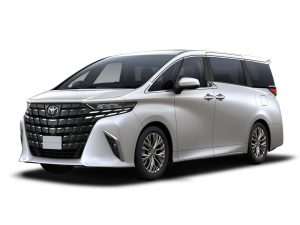
The HyCross drives nothing like the old diesel Innova, and that is immediately obvious.
The strong-hybrid version uses a 1,987cc naturally aspirated petrol engine working with an electric motor and e-CVT. Combined output is around 184 PS, with 188 Nm from the petrol engine and 206 Nm from the motor.
The electric motor is the important character here.
Pull away gently and the HyCross can feel almost eerily quiet. In traffic, the electric assistance makes acceleration smooth and immediate, while the e-CVT eliminates conventional gear-change interruptions.
Then you press the accelerator hard.
The engine revs rise and the e-CVT produces that familiar hybrid “why is the engine shouting when I'm only going faster?” soundtrack. It is not slow—the independent 0–100 km/h figure of 10.69 seconds proves that—but it prefers smooth, progressive inputs rather than theatrical launches.
The reward is efficiency.
Independent testing has recorded approximately 13.1 km/L in city conditions and 16.1 km/L on highways, while another 2025 test recorded 18.2 km/L on its highway run. Real Bangladesh mileage should therefore be treated as roughly 13–17 km/L in city use and 16–19 km/L on highways rather than blindly using Toyota's laboratory figure.
The ride is comfortable and composed, particularly on highways. The long wheelbase helps absorb imperfections, although larger wheels can make sharp bumps more noticeable.
Compared with the Crysta, the HyCross feels quieter, smoother and more car-like.
It is not an SUV pretending to be an MPV.
It is an MPV that has learned how to drive like a modern car.