Better than the old workhorse reputation
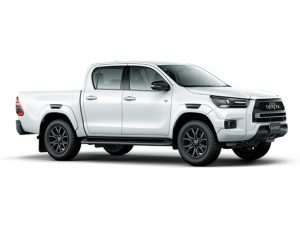
The Hilux cabin has evolved considerably.
Older Hilux models were essentially agricultural machinery with seats. The latest generation is much more civilised, particularly in Z, Adventure and higher specifications.
The driving position remains commanding, with a high seating position and excellent forward visibility. The dashboard is more sophisticated than the Hilux's commercial reputation suggests, with a digital information display, touchscreen infotainment, steering-wheel controls and modern connectivity.
Higher specifications can bring leather or synthetic-leather upholstery, automatic climate control, smart entry, push-button start, wireless charging and upgraded audio equipment.
The front seats are comfortable enough for long highway journeys, and the cabin feels robust rather than delicate. That matters in Bangladesh because a vehicle used for business, travel or rural driving needs materials that can tolerate abuse.
The rear seats are the weaker point.
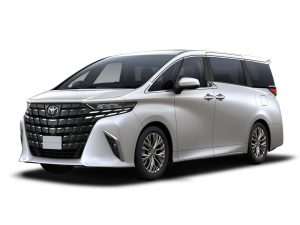
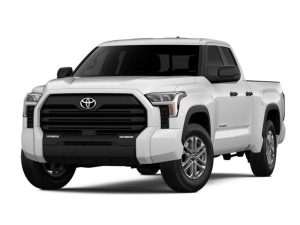
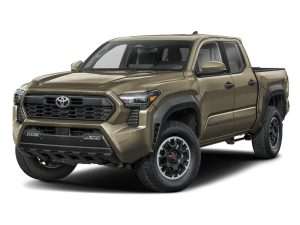
They are perfectly usable for adults, but the Hilux is still a pickup, not a luxury SUV. Rear-seat legroom and seating comfort cannot compete with a Toyota Harrier, Alphard or large crossover designed primarily around passengers.
Storage is sensible, visibility is good and the controls are straightforward.
The biggest improvement I would ask Toyota for is even better rear-seat comfort and ride isolation.
But overall, the modern Hilux cabin has successfully escaped the agricultural-equipment era.
It now feels like a proper passenger vehicle that happens to have a very useful truck attached to it.