3.5 Expert Rating

Toyota Allion A15 (2016-2021) Expert Review

Extensively tested and reviewed by Team CarHub

EXPERT VERDICT
"
Toyota Allion A15 (2016-2021) models are refined, reliable and economical sedan offering comfortable daily driving, strong practicality and proven Toyota durability.
AT A GLANCE

Pros & Cons

✓
WHAT WE LIKE

Good Things

  • ✓
    Excellent reliability
  • ✓
    Comfortable ride quality
  • ✓
    Good fuel economy
  • ✓
    Spacious rear seat
−
WHAT COULD BE BETTER

Could Be Better

  • −
    Modest 1.5L performance
  • −
    Low ground clearance
  • −
    Aging interior design
  • −
    Limited modern safety tech
Toyota Allion A15 (2016-2021)
— 39 Reviews
৳ 24.00 Lakh - 40.00 Lakh

Exterior

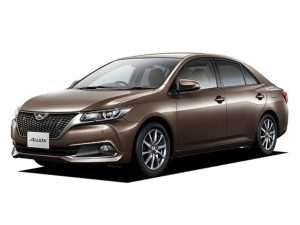
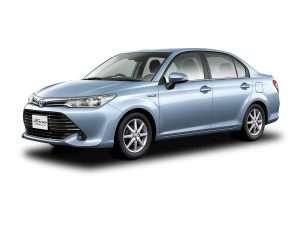
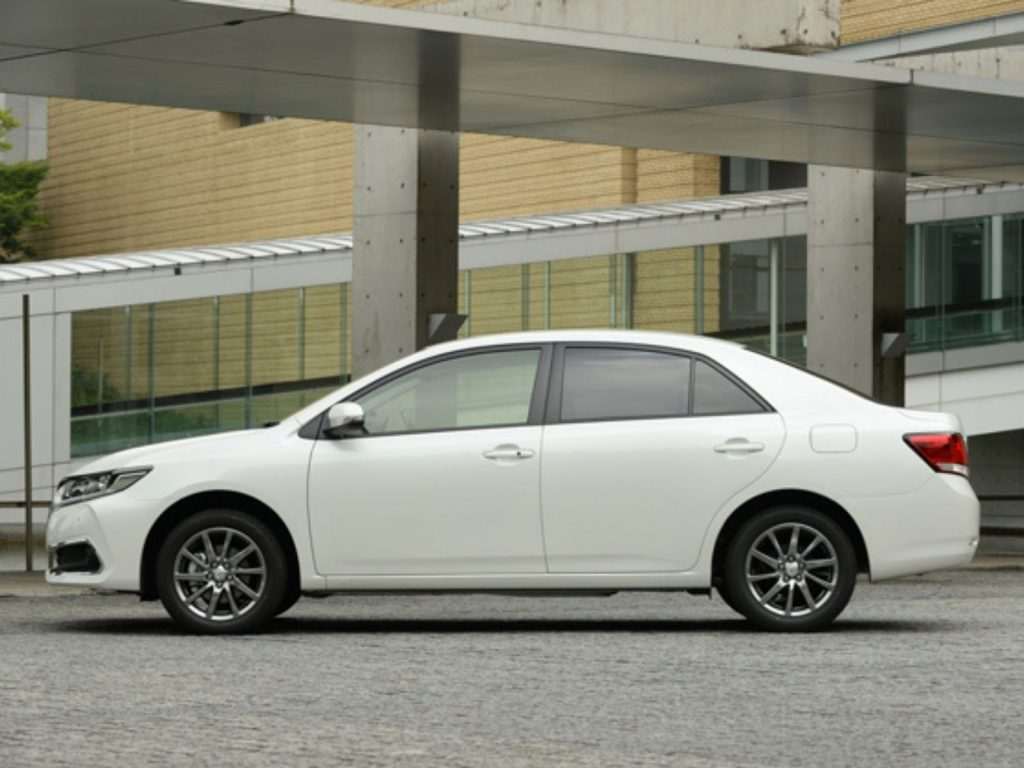
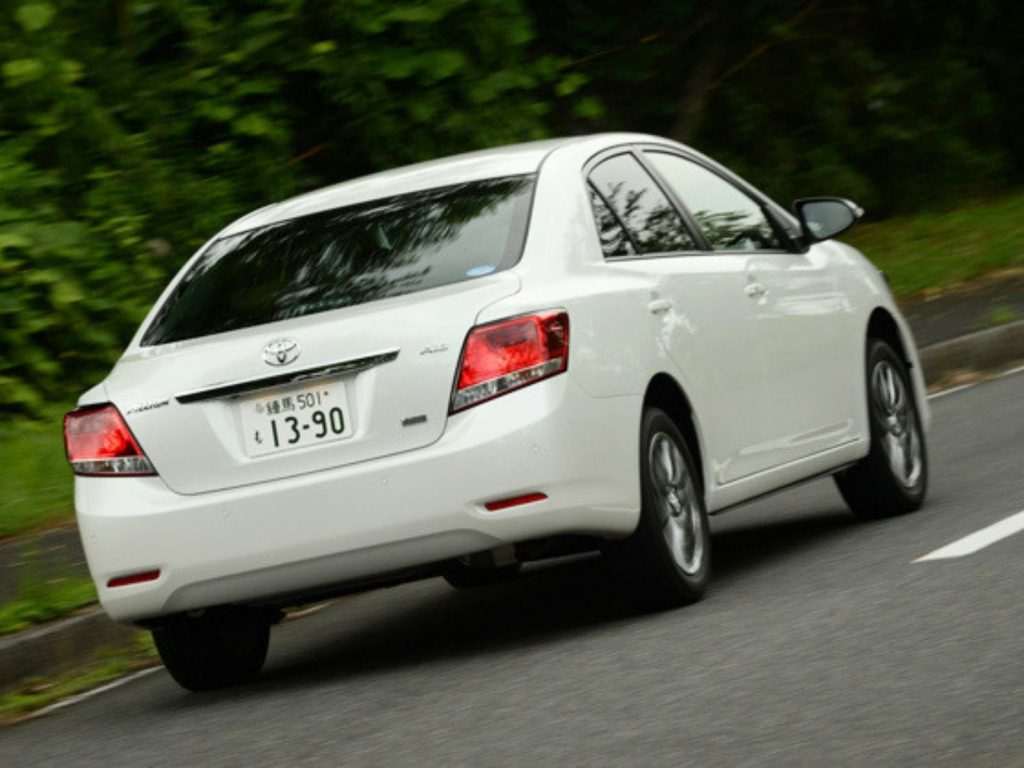
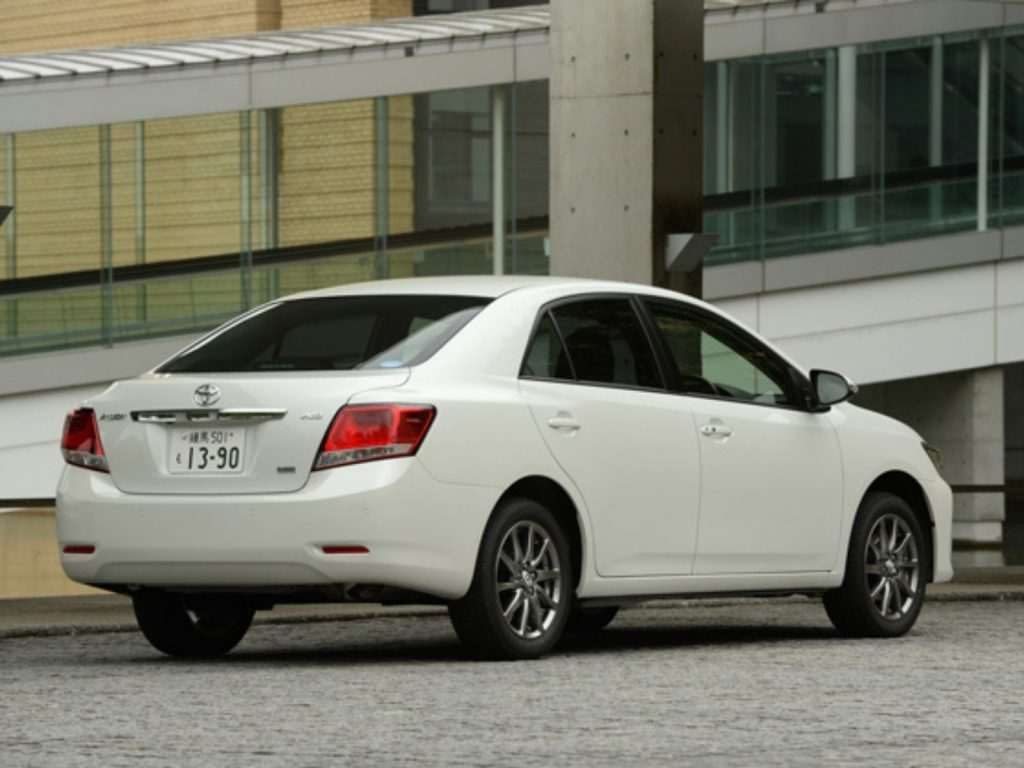
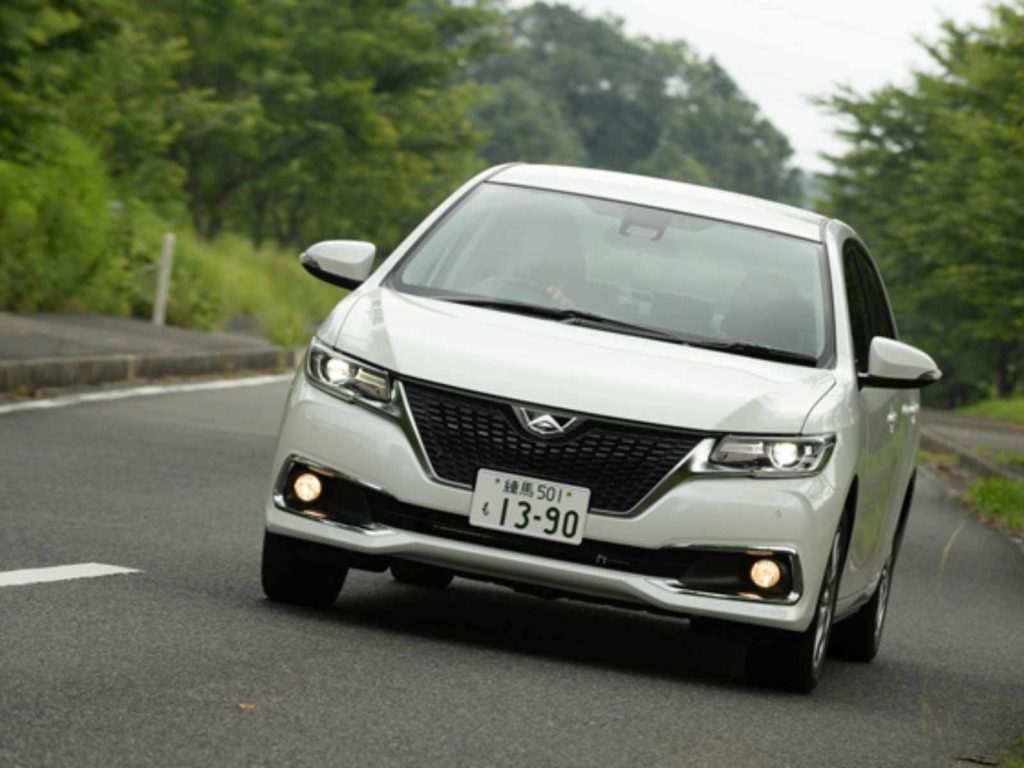
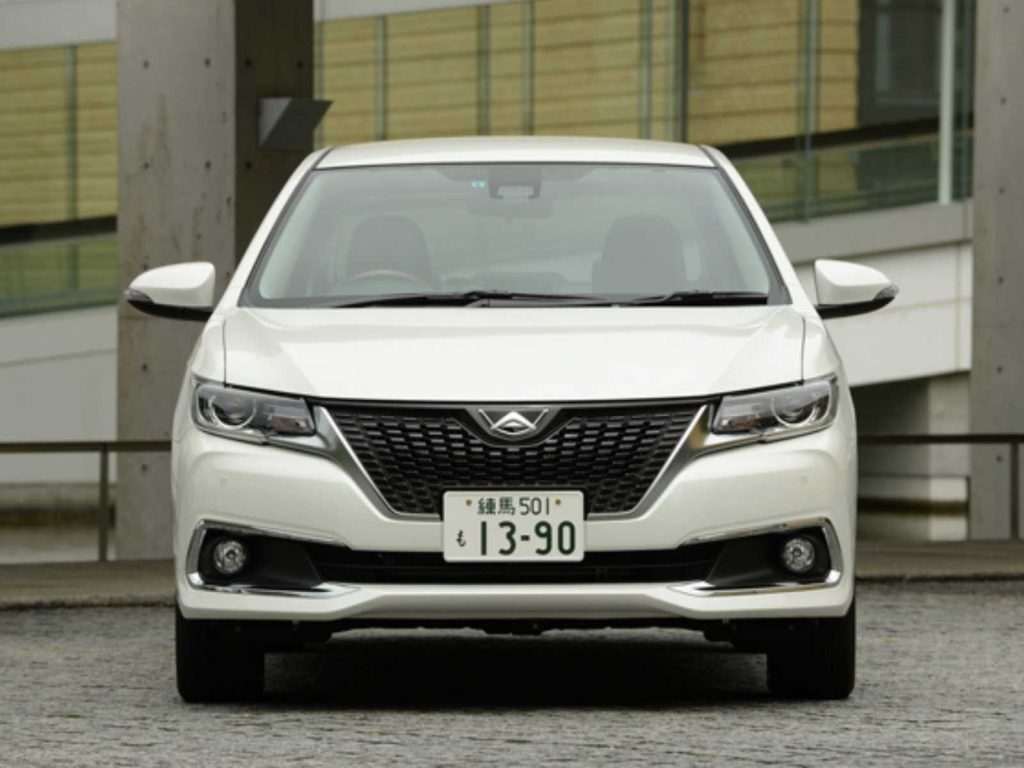
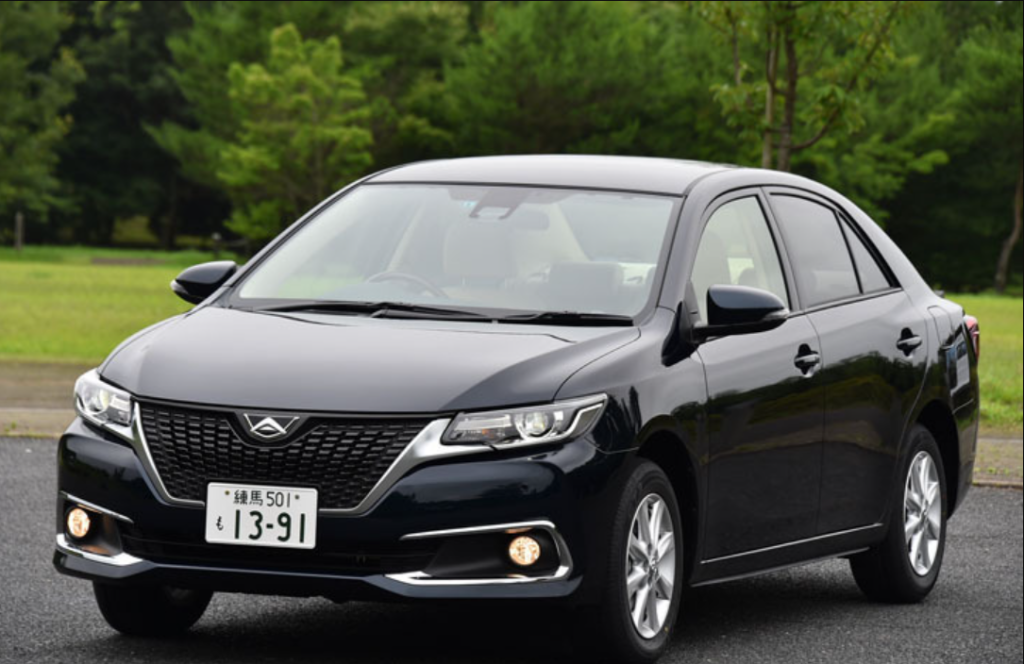
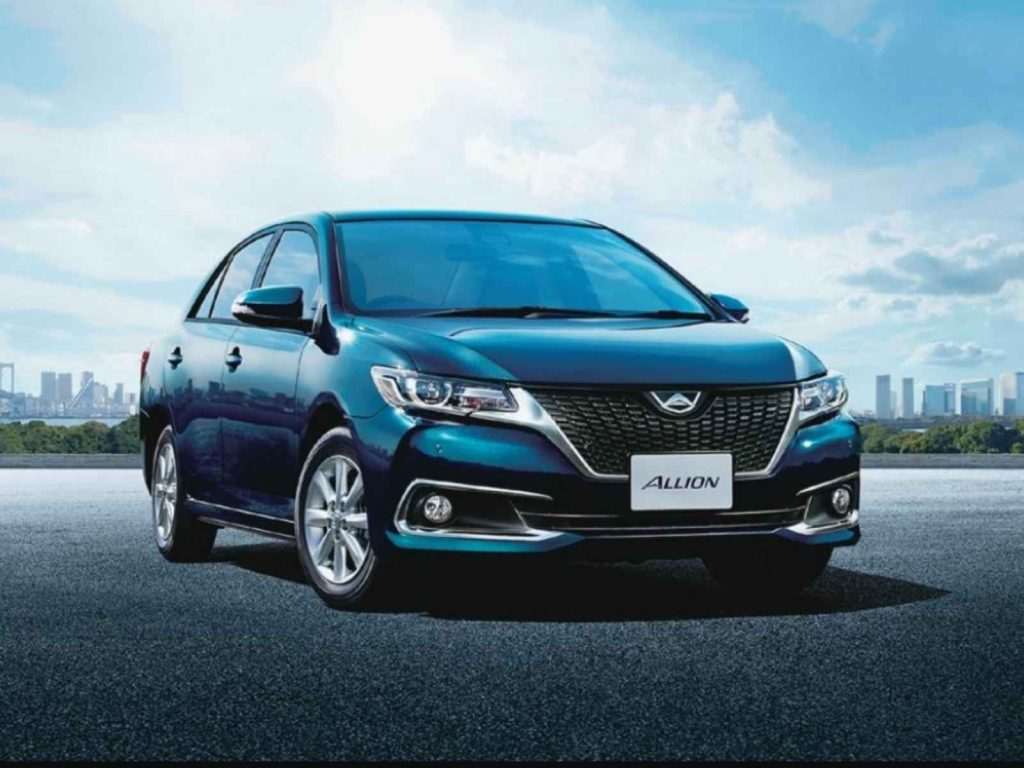
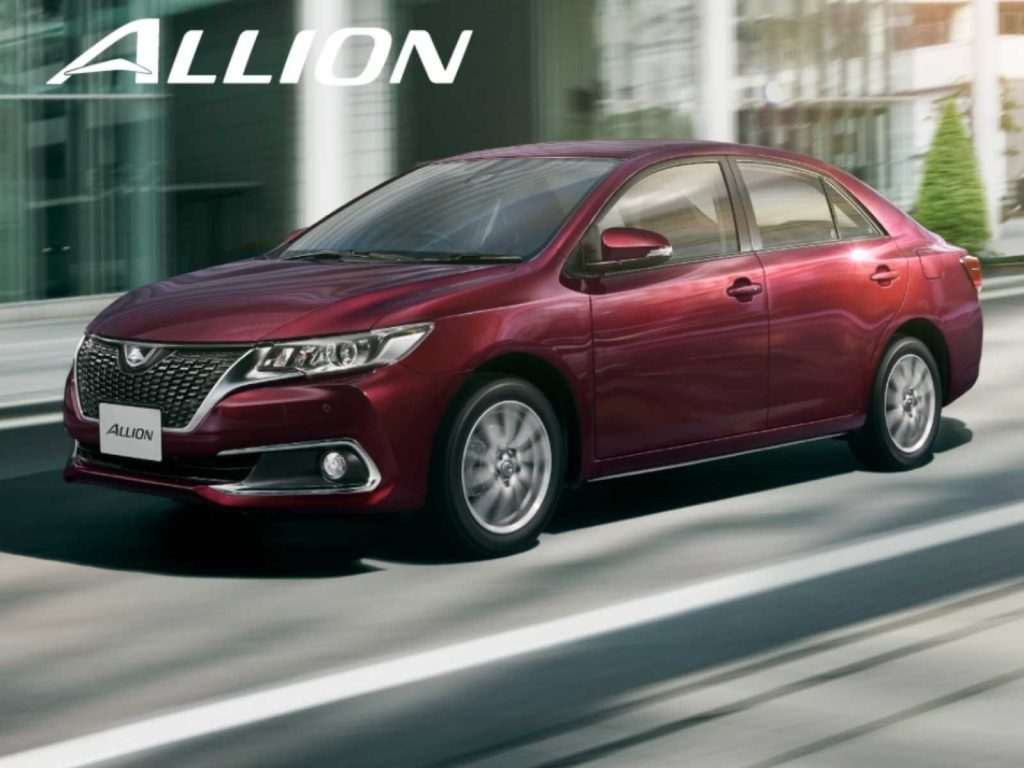
The Toyota Allion A15 is a sedan that never tries too hard to look dramatic, and that is actually part of its appeal. The design is clean, conservative and slightly upmarket, with a long 2,700 mm wheelbase and relatively narrow 1,695 mm body giving it the proportions of a proper Japanese family sedan. Later 2016–2021 cars received sharper headlights, a more prominent grille and cleaner detailing, making the car look considerably fresher than its age suggests. For Bangladesh, the dimensions work particularly well. The Allion is long enough to provide a substantial road presence without becoming awkward in Dhaka traffic. Its 4,590 mm length gives the car useful cabin space, while the 5.3-metre turning radius makes parking and manoeuvring reasonably easy. Higher grades can bring alloy wheels, upgraded lighting, chrome detailing and more attractive exterior equipment. Lower A15 versions are deliberately simpler, with steel wheels and less decorative equipment. The weakness is ground clearance. At around 160 mm, the Allion is perfectly usable on normal paved roads but does not enjoy enormous speed breakers or deeply broken Bangladeshi roads. You have to drive with some mechanical sympathy. Overall, the Allion's exterior is understated rather than spectacular. It looks mature, respectable and expensive enough without shouting about it.

Interior

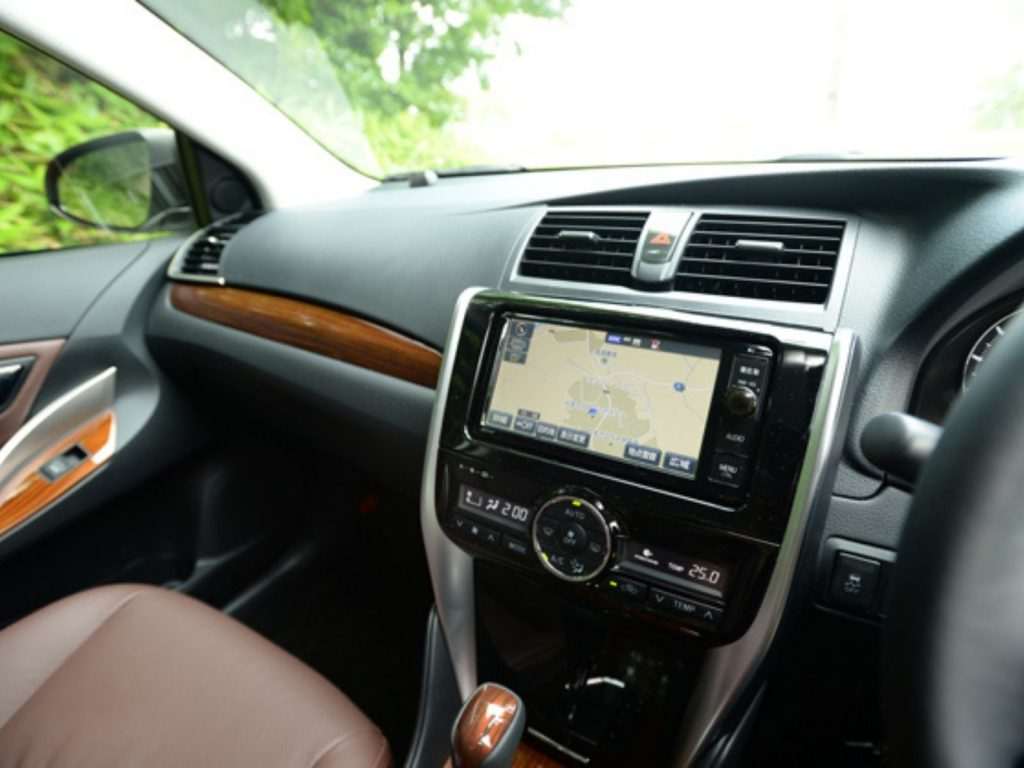
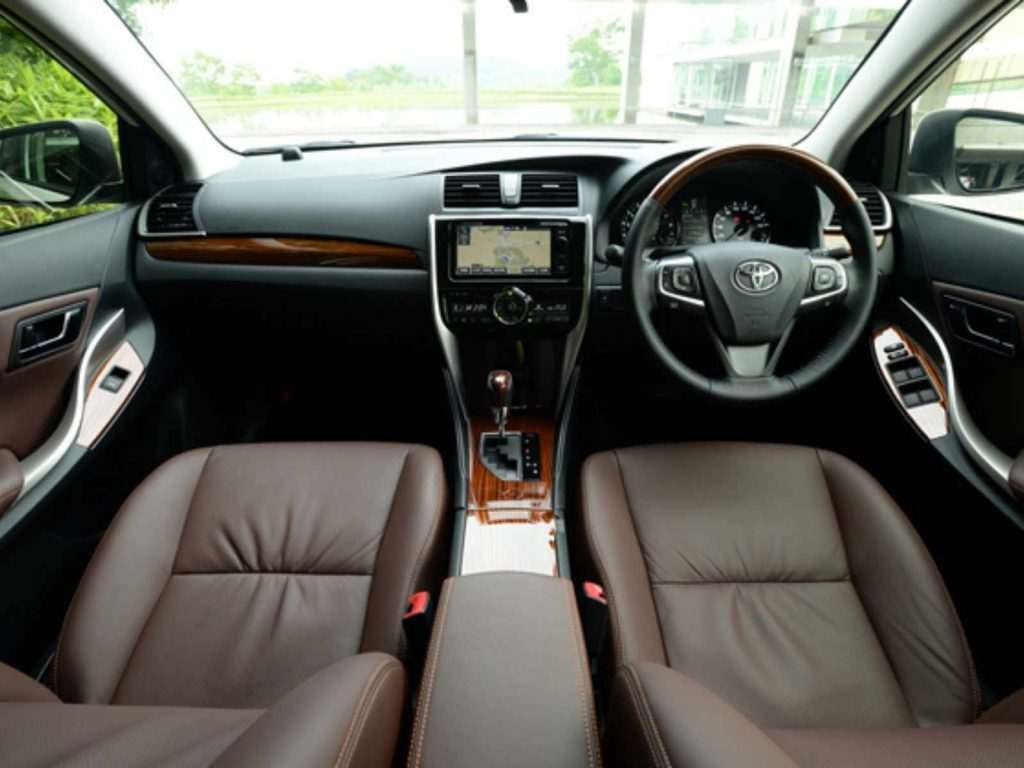
Step inside an Allion A15 and the first thing you notice is that Toyota was clearly more interested in making a comfortable car than creating an Instagram-worthy dashboard. The cabin is spacious, sensible and easy to understand, with good visibility and straightforward controls.

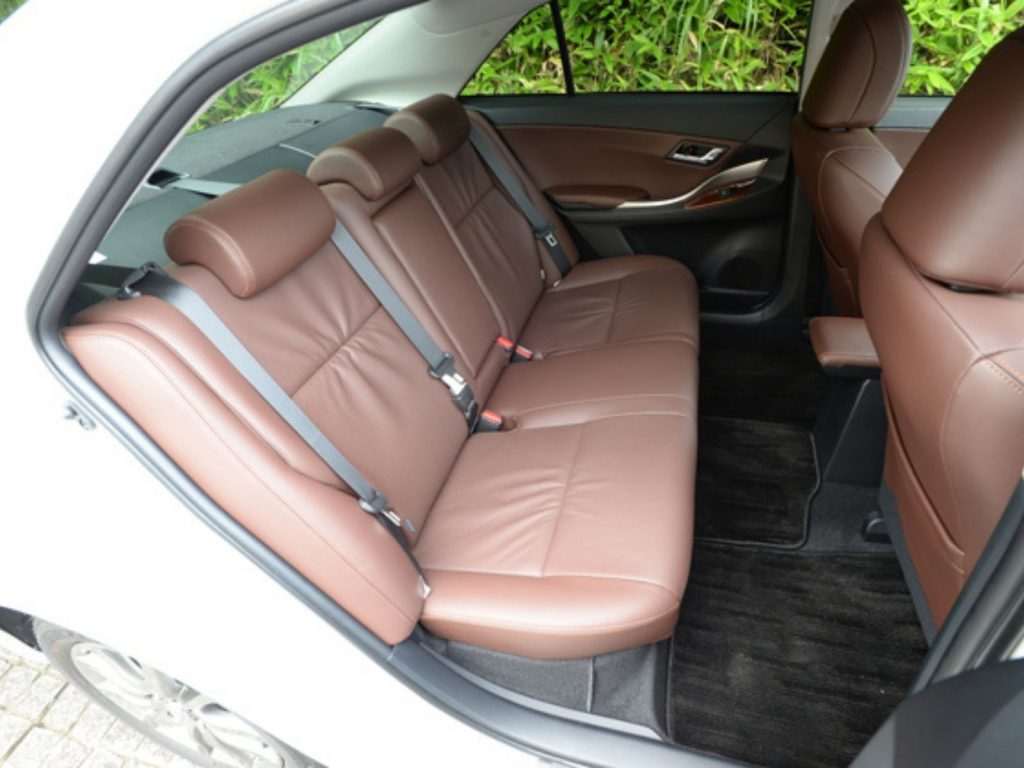
The 2,700 mm wheelbase gives the rear passengers useful legroom for a compact-to-midsize Japanese sedan. Four adults can travel comfortably, while five occupants remain practical for shorter journeys. That matters in Bangladesh, where family use often means carrying several passengers at once.

The driving position is easy to settle into, and higher grades can add leather-wrapped controls, better trim, automatic climate control and more convenient entry/start equipment. The dashboard design became more modern toward the end of production, particularly with the later instrument cluster and revised centre-console arrangement.

The biggest weakness is age. Compared with newer Toyota sedans, the Allion's cabin lacks the large digital displays, modern connectivity and premium materials that have become normal.

There is also plenty of hard plastic. It is not offensive, but it reminds you that the Allion comes from an earlier generation of Japanese automotive design.

Still, for daily Bangladesh use, the interior gets the important things right: space, visibility, comfort, simple controls and a relaxed seating position.

Features

Allion A15 was never designed to be a technological showcase. Its equipment philosophy is much more Japanese: provide the useful things, make them easy to operate and avoid unnecessary complexity.

Depending on model year and grade, you can find features such as power windows, automatic or manual air-conditioning, steering adjustment, rear-seat folding, central locking, keyless entry, push-button start, automatic headlights, fog lamps, alloy wheels, upgraded upholstery and factory or dealer-installed navigation systems.

Higher-specification G Package and G Plus versions can feel considerably more luxurious than the basic A15. Smart entry, engine start/stop equipment, automatic climate control, leather-wrapped steering controls and upgraded lighting can transform the everyday experience.

In Bangladesh, however, the infotainment situation requires some caution. Many imported Allions have aftermarket touchscreen systems, reverse cameras and upgraded audio equipment. These can be useful, but they should not automatically be assumed to be original factory equipment.

Modern features such as wireless charging, Apple CarPlay, Android Auto, connected smartphone services and remote vehicle functions are not central to the original A15 specification.

The practical equipment is therefore its strongest point. Air-conditioning, power windows, comfortable seats, useful storage and a folding rear seat matter far more in daily Dhaka driving than gimmicks.

The Allion's technology is old-fashioned, but its useful equipment remains relevant.

Safety

Safety is one area where the Allion shows its age, although later versions are significantly better equipped than the earliest cars in this generation. The basic safety package includes important equipment such as ABS, EBD, Brake Assist, S-VSC, traction control, driver and passenger airbags, three-point rear seat belts and a strong body structure. These systems provide a sensible foundation for everyday driving. Higher grades and later model years can add additional airbags and Toyota's more advanced preventive safety equipment. Toyota Safety Sense C became available in the later Allion specification, bringing technologies such as pre-collision assistance and lane-departure warning to equipped versions. However, you should not assume that every 2016–2021 A15 has the same safety equipment. Grade, production period and optional equipment matter considerably. There are also modern safety technologies that simply are not part of the Allion's core package. Adaptive cruise control, blind-spot monitoring, rear cross-traffic collision avoidance and advanced autonomous parking are not what this car was built around. In real Bangladesh driving, ABS, stability control, traction control and good tyres are particularly valuable during sudden braking and wet-road conditions. Properly maintained brakes and suspension are equally important. The Allion is fundamentally safe for its generation, but newer cars have moved the safety game considerably further.

Driving Experience

Allion A15 is not a sports sedan, and trying to make it behave like one is rather like asking a comfortable office chair to become a racing bucket seat.

The 1,496cc 1NZ-FE produces 109 PS and 136 Nm, which is enough for normal commuting, overtaking and highway cruising. The CVT keeps the engine smooth and relaxed, especially in stop-and-go traffic. Around Dhaka, this is one of the car's strongest qualities because there is little reason to constantly manage gear changes.

Acceleration is adequate rather than exciting. With a full cabin, luggage and the air-conditioner running, the 1.5-litre engine needs more throttle when joining faster traffic or climbing steep roads.

The suspension is more impressive. It has the comfortable, slightly soft character expected from a Japanese family sedan, absorbing ordinary road imperfections well. On long journeys, the Allion feels settled and considerably less tiring than many smaller cars.

The steering is light and predictable. The car is easy to place on narrow roads and reasonably easy to park.

Bangladesh fuel economy is typically around 10–11 km/L in city traffic and 14–15 km/L on open highways, depending heavily on driving conditions and vehicle health.

The result is a car that prioritises refinement, economy and comfort over speed. For its intended role, that makes perfect sense.
EXPLORE THE RANGE

Variants

oyota Allion A15 was available in several equipment levels, most notably the standard A15, A15 G Package and A15 G Plus Package. All use the same basic 1.5-litre 1NZ-FE engine in this period, with front-wheel drive and Super CVT-i transmission.

The standard A15 is the straightforward version. It provides the essential mechanical package and makes sense when purchase price and simplicity matter most.

The G Package adds useful comfort and convenience equipment and can provide a noticeably more pleasant ownership experience. Depending on production year, this can include upgraded interior materials, automatic climate control and other convenience improvements.

The G Plus Package sits higher in the range and is intended to provide a more premium specification. Higher-grade lighting, smart entry/start equipment, upgraded trim and additional convenience features can make these cars particularly attractive in the Bangladesh reconditioned market.

There is an important point here: equipment changed across the 2016–2021 production period, so the badge alone does not tell the complete story. Two A15 cars with the same model year can also differ because of factory grade, options and imported equipment.

Overall, the A15 range makes the Allion easy to understand. The standard car gives you the essential Toyota experience, G adds comfort, and G Plus moves toward a more premium specification.

For Bangladesh, condition and history should remain more important than simply chasing the highest grade.
TRENDING

Trending Toyota Cars

View All Toyota Cars
FAQ

Toyota Allion A15 (2016-2021) Questions & Answers

Toyota Allion A15 2016–2021 currently costs roughly ৳24 lakh to ৳40 lakh in Bangladesh.

View All Toyota Allion A15 (2016-2021) FAQs
📍

Find Dealers Near You

Looking for Toyota Allion A15 (2016-2021) ? We will notify you when verified dealers become available.

💳

Calculate Your Car EMI

Estimate your monthly payment for Toyota Allion A15 (2016-2021)

৳ 30,00,000
৳5L ৳1Cr
৳ 5,00,000
৳0 ৳30L
9%
5% 18%
5 Years
1 Year 7 Years
Your Monthly EMI ৳ 64,250 Estimated payment per month
Principal Amount ৳ 30,00,000
Total Interest ৳ 7,68,000
Total Payment ৳ 37,68,000